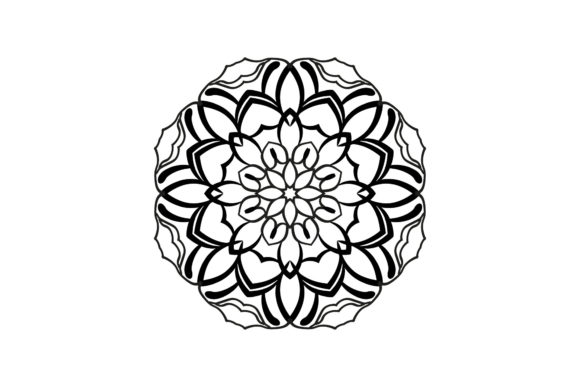
Mandala Decorative Style Flower: Graphics & Illustrations for Creative Design
As a designer with years of experience working on branding, packaging, and digital assets, I always look for design elements that add visual interest without overwhelming the overall concept. The Mandala Decorative Style Flower is one such graphic design asset that offers a unique blend of artistry and practicality. Its intricate patterns and vibrant energy make it ideal for creative design projects that require a touch of elegance and cultural flair.
First Impressions: A Visual Mood That Speaks Volumes
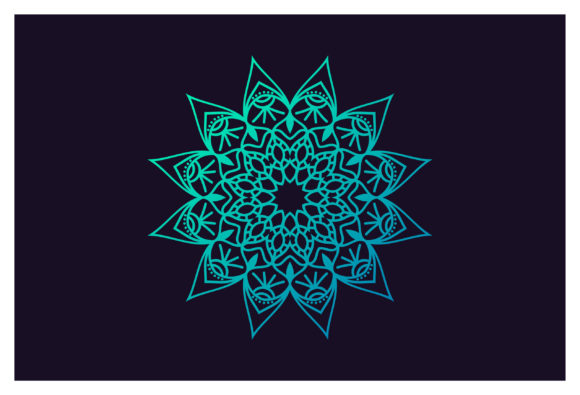
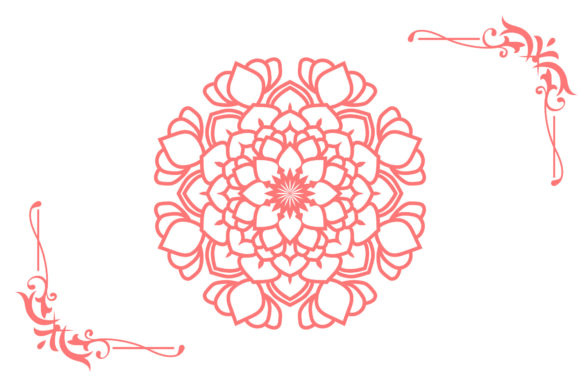
The Mandala Decorative Style Flower immediately catches the eye with its detailed, symmetrical layout. It radiates a sense of calm and balance, making it perfect for projects that aim to evoke serenity or spiritual connection. The design feels handcrafted, which aligns well with handmade businesses or boutique product lines looking to convey authenticity and care in their visuals.
This illustration has a distinct decorative style that leans into traditional mandala aesthetics but with a modern twist. It’s not just a pretty image—it’s a versatile tool that can be adapted to various design needs, from print-on-demand products to social media graphics.
Real-World Use Cases: Where Mandala Decorative Style Flower Shines
When considering real client projects, the Mandala Decorative Style Flower proves valuable across multiple platforms. For instance, in logo design, it can serve as a subtle background element or an emblem that complements a more minimalistic mark. In brand identity, it adds depth and character to marketing visuals, especially for businesses targeting wellness, mindfulness, or eco-friendly markets.
In packaging design, this graphic can be used as a decorative accent on labels or as a central motif for seasonal campaigns. It also works well in t-shirt design, where its intricate details can be printed in bold colors to create eye-catching apparel. For Canva templates, the Mandala Decorative Style Flower can elevate the aesthetic of any layout, providing a professional yet artistic feel.
It also excels in sticker design, printable wall art, and Cricut projects, where its vector format ensures crisp edges and scalability. Whether you're creating a digital ad, a Pinterest pin, or an Instagram post, this design asset brings a level of sophistication that enhances the overall visual appeal.
Best Uses: Large Layouts, Themed Collections, and Decorative Accents
The Mandala Decorative Style Flower thrives in large layout areas, where its complexity can be fully appreciated. It works particularly well as a hero graphic on landing pages, product mockups, or editorial spreads. When integrated into themed collections—such as a holiday or nature-inspired campaign—it adds a cohesive and polished look that elevates the entire project.
As a decorative accent, it can be used to frame text, highlight key sections, or add visual interest to otherwise plain designs. It’s also a great addition to commercial design projects that require a warm, inviting atmosphere, such as spa branding, yoga studios, or artisanal shops.
Caution Areas: Minimalist Branding and Complex Backgrounds
While the Mandala Decorative Style Flower is visually striking, it may not be the best choice for minimalist branding or clean, modern design concepts. In such cases, its intricate details could clash with the simplicity of the overall aesthetic. Similarly, placing it on crowded layouts or complex backgrounds might reduce its impact and make the design feel cluttered.
Low-contrast designs or projects that rely heavily on typography may also struggle to balance the visual weight of this graphic. For corporate or professional materials that require a strict visual hierarchy, it’s best to use the Mandala Decorative Style Flower sparingly or in combination with other simpler elements.
Design Considerations: Readability, Hierarchy, and Emotional Appeal
One of the key factors in using any design asset is how it affects readability and visual hierarchy. The Mandala Decorative Style Flower, while beautiful, should be placed in a way that doesn’t interfere with the primary message of the design. It works best when it supports the content rather than competing with it.
From an emotional standpoint, this design evokes a sense of peace and creativity, which can enhance audience engagement and build a stronger connection with the brand. It also contributes to visual trust by offering a high-quality, professionally crafted graphic that aligns with the expectations of a well-designed project.
Practical Designer Notes: Testing and Preparing for Commercial Use
Before using the Mandala Decorative Style Flower in a client project, it’s essential to test it in different scenarios. Start by previewing it at small and large sizes to ensure clarity and scalability. Check how it looks on both light and dark backgrounds, and consider how it interacts with various font styles—serif, sans serif, script, or display fonts.
If the design includes PNG transparency, inspect it carefully to ensure there are no unwanted artifacts. For SVG or vector files, verify that the design is editable and scalable without losing quality. Also, confirm that the commercial license covers the intended use, especially if it’s for a client or business project.
For print-on-demand or sublimation design, test the file quality to ensure it prints clearly on different materials. When using it in a Cricut project or Canva template, make sure the dimensions and formats match the requirements of the platform.
Conclusion: A Versatile Asset for Creative Projects
The Mandala Decorative Style Flower is more than just an illustration—it’s a powerful graphic design asset that can elevate a wide range of creative projects. Whether you’re working on a handmade business, a seasonal campaign, or a digital ad, this design offers both aesthetic value and functional flexibility.
Its versatility makes it a valuable addition to any design bundle, especially for those working in the creative marketplace. By understanding its strengths and limitations, designers can confidently incorporate it into their work, ensuring it enhances the final result without compromising the overall vision.