Wedding Decorative Card Graphics and Illustrations
As a brand designer, I always look for graphic design assets that can elevate a small business’s visual identity. Wedding Decorative Card is one such asset that offers a versatile foundation for local business branding, product packaging, and promotional materials. Its elegant style and rich detail make it ideal for businesses looking to add a touch of sophistication or celebration to their designs.
Mood and Brand Personality
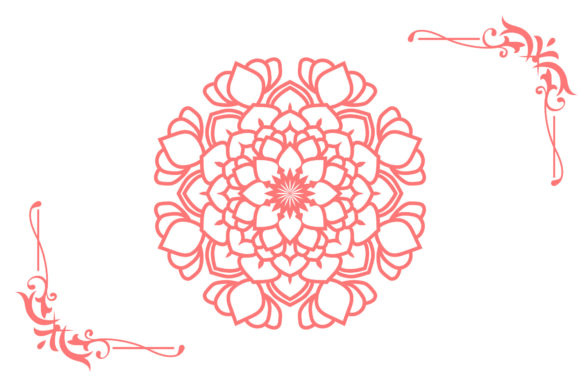
The first impression of Wedding Decorative Card is one of refinement and celebration. The intricate illustrations and soft color palette suggest a brand that values beauty, attention to detail, and a sense of occasion. This makes it particularly well-suited for handmade businesses, boutique stores, and seasonal campaigns. It feels premium yet approachable, perfect for brands aiming to create a warm and inviting atmosphere.
Whether used in a bakery’s packaging, a florist’s social media graphics, or a skincare brand’s promotional banners, this design asset brings a sense of elegance without being overly formal. It works well for businesses targeting a feminine or festive audience, offering a visual language that resonates with customers seeking quality and style.
Real-World Applications
Wedding Decorative Card can be integrated into various aspects of a small business’s design strategy. For logo design, it provides a strong visual anchor that can be adapted into a more minimalistic form while retaining its character. In packaging design, it serves as an accent that adds visual interest and helps differentiate products on the shelf.
For product labels, this asset can act as a decorative border or background element, enhancing the overall aesthetic of a handmade soap, candle, or food item. In marketing visuals, it can be used as a hero graphic for social media posts, website banners, or email newsletters. Its high-resolution format ensures clarity across different platforms and sizes.
It also works well in printable design elements like thank-you cards, stickers, and seasonal campaign visuals. Whether for a holiday promotion or a special event, Wedding Decorative Card adds a professional touch that supports consistent brand identity across all customer touchpoints.
Supporting Business Presentation
Using Wedding Decorative Card in a real local business project can significantly enhance the overall presentation. A stronger first impression is created when the design aligns with the brand’s personality and message. This helps build trust with customers who are drawn to visually cohesive and well-designed products.
When used in product packaging, it contributes to better product recognition and a more polished look. It also improves visual hierarchy by guiding the viewer’s eye through the design, making key information more prominent. For small businesses, this can mean a more professional appearance that stands out in crowded markets.
Incorporating this design asset into a brand’s visual system ensures consistency across all materials, from business cards to social media content. It reinforces the brand’s identity and creates a stronger emotional connection with the audience. For handmade or artisanal businesses, it adds a layer of authenticity that resonates with customers looking for unique and meaningful products.
Best Use Cases
Wedding Decorative Card excels in applications where decoration and visual storytelling are important. It works best as a product label, packaging accent, or hero graphic that captures attention and sets the tone for a brand. As a decorative brand element, it can be used in seasonal packaging, boutique visuals, or promotional banners to reinforce a specific theme or message.
For social media campaigns, it serves as a compelling backdrop that enhances the overall aesthetic of posts and stories. When used in product mockups, it gives designers a clear idea of how the final design will look in real-world scenarios. It also works well in printable inserts or seasonal campaign visuals, adding a touch of flair that elevates the entire design.
Use with Caution
While Wedding Decorative Card is highly versatile, it may not be suitable for every design scenario. In formal corporate branding, its ornate style could clash with a minimalist or modern aesthetic. For very small labels, the level of detail might become lost or difficult to read.
It should also be used carefully in crowded product packaging or layouts that include a lot of text. In areas where legal information or ingredient lists are required, the design could compete with essential details. Low-contrast backgrounds or luxury minimalist brands may also find the asset too busy or overwhelming.
Designer Notes and Practical Tips
Before using Wedding Decorative Card in a real project, it’s important to test it on actual packaging mockups. Check how it looks in black and white to ensure it still holds visual interest. Preview it on small labels to confirm that the details remain legible at reduced sizes.
Test the design with different brand colors to see how it integrates with the existing palette. Compare it with competitor packaging to ensure it stands out in the market. Review print quality to avoid any issues with resolution or color accuracy.
Inspect PNG transparency if it will be used on colored backgrounds. If the asset includes SVG or vector files, check for editability to ensure it can be customized as needed. Test it beside various font styles—serif, sans serif, script, handwritten, and display fonts—to see how they interact visually.
Finally, always confirm commercial licensing before using the asset for client work, business branding, or physical product sales. Ensure it meets the requirements of the creative marketplace you’re using and that it aligns with your design goals.
Conclusion
Wedding Decorative Card is a powerful graphic design asset that can support a wide range of small business branding projects. From product packaging to social media graphics, it offers a refined and versatile solution for businesses looking to enhance their visual identity. With careful consideration and thoughtful application, it can help create a more professional, cohesive, and emotionally engaging brand presence.